
There’s a silent tax every organisation pays in 2026.
It doesn’t appear on balance sheets and doesn’t neatly fit within IT budgets. But it drains productivity, frustrates employees, and quietly pushes top talent toward the exit.
That tax is poor DEX (digital employee experience).
Today’s IT leaders may see symptoms of this, including:
- Reactive IT and constant firefighting, with support staff overwhelmed by tickets and tool sprawl
- Poor visibility into real-world employee performance, with a lack of real-time insight into whether employees can actually work efficiently across endpoints.
- Security risk created by bad employee experience, with everyday frustration driving unsafe security shortcuts.
The question is no longer whether remote and hybrid work can function. That debate is settled.
The real challenge now is whether digital workplaces can operate at the speed businesses demand, without creating new security risks, compounding IT strain, or eroding the employee experience along the way.
This is why improving a digital employee’s experience has moved out of the IT back office and into the strategic spotlight. It’s a core driver of productivity, resilience, and long-term growth – and the foundation for how modern work gets done in 2026.
In this guide, we’ll break down exactly what that means, why it matters, and how IT leaders can turn DEX into a measurable business advantage.
We’ll cover:
- What is digital employee experience in 2026?
- The real business value of DEX in 2026
- How to measure digital employee experience in 2026
- The biggest DEX challenges IT leaders face in 2026
- How to build a DEX strategy that scales with Flexxible
What is digital employee experience in 2026?
Digital employee experience (DEX) in 2026 refers to the real-time quality of how employees interact with digital tools, systems, and workflows as they go about their work.
Office-based or hybrid/remote work teams must access what they need without friction – and their company’s DEX reflects how seamless that experience is from login to task completion.
Unlike earlier definitions that focused mainly on user experience (UX) or IT performance, DEX is now viewed as a core part of the digital workplace itself. It directly influences employee satisfaction, which in turn guides how productive they are and how they develop professionally.
This is especially important in a competitive laborjob market where top talent expects consumer-grade digital experiences at work.
DEX is no longer a reactive support function. It’s a continuous improvement discipline that gives modern CIOs and IT teams real-time insight to strengthen workflows, speed up decision-making, and support long-term digital transformation.
The real business value of DEX in 2026
In 2026, the business value of digital employee experience is clearer than ever. It shows up in how quickly employees can access their tools, how often workflows stall, and how much time IT teams spend reacting to issues that should have been prevented.
For CIOs, DEX now sits at the crossroads of productivity, security, and talent retention — and its impact grows as organisations scale their hybrid work models and expand their digital toolsets.
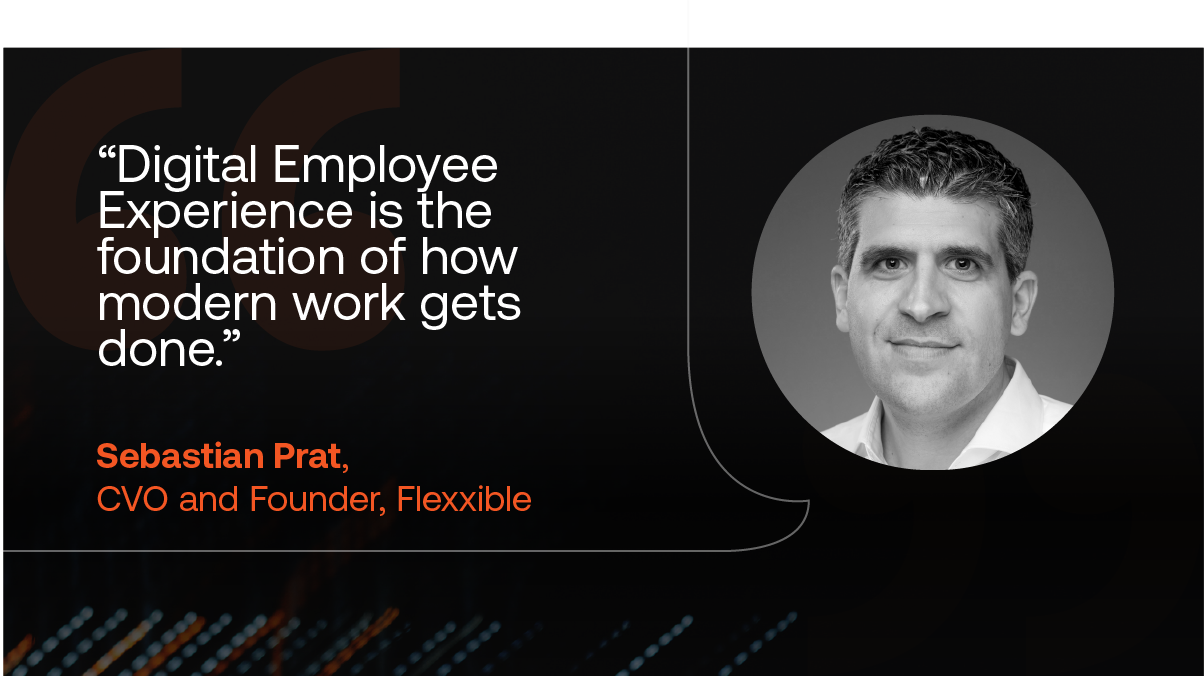
“Digital Employee Experience is the foundation of how modern work gets done,” says Sebastian Prat, CVO & Founder at Flexxible. “When an employee's applications crash, or they can't access what they need, it's not just frustrating – it's expensive. Lost productivity, increased support tickets, security vulnerabilities, and ultimately, good people leaving. DEX isn't another metric to track; it's a strategic priority.”
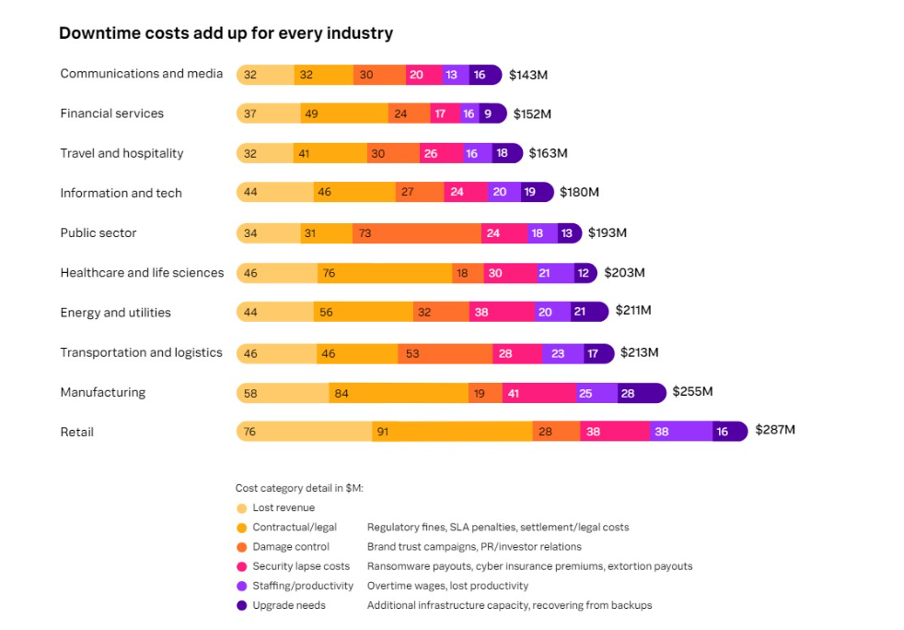
In large enterprises, downtime costs can be astronomical. Retail firms suffer the most, with the average Global 2000 company losing $287 million per year, according to data firm Splunk, but the cost isn’t confined to sprawling organisations – even mid-sized companies can see six-figure losses from a single serious outage.
The Annual Cost of IT Downtime Across Industries Across the Global 2000
That’s why DEX has moved beyond uptime and ticket resolution. Modern DEX platforms give IT departments leaders real visibility into employee experience across devices, applications, and SaaS environments. This allows teams to reduce downtime, remove unused software, contain licensing spend, and extend the lifecycle of existing hardware through smarter refresh cycles.
On the employee side, smoother digital journeys support faster onboarding, more consistent problem-solving, and stronger engagement.
The quality of a company’s digital workspace is becoming a true competitive advantage — one that directly influences performance and long-term growth.
How to measure digital employee experience in 2026
Measuring digital employee experience in 2026 means combining hard data from IT systems with real feedback from employees. It’s no longer enough to know that systems are “up”; what matters is whether people can actually work smoothly.
A modern DEX measurement approach uses tools that blend performance monitoring (of apps, networks, and device health) with real-time insights in real time into how the end user feels about their workspace.
This mix helps IT teams catch slowdowns or security issues before they affect productivity, while also surfacing genuine user-experience pain points like laggy logins or unreliable endpoints.
Gartner now positions DEX as a mainstream digital workplace discipline heading into 2026, rather than an emerging category. That shift reflects how closely better experience, performance, and business outcomes are now linked.
At a strategic level, DEX becomes part of continuous improvement, which means tracking trends over time. It typically involves the following action:
- Periodically assessing digital workplace performance
- Reviewing how refurbished tools and new technologies perform under load
- Engaging employees about satisfaction and ease of use.
This information lets human resources (HR) and IT teams be on the same page about whether the current digital workplace truly supports their people, and where it still causes friction.
In hybrid work environments, leaders use this combined measurement to get visibility into the employee experience across the full lifecycle of work. This makes DEX a tool for long-term resilience, rather than just a short-term fix.
The biggest DEX challenges CIOs face in 2026
Integrating digital employee experience software into a modern organisation still comes with real complexity, especially as digital technologies, hybrid work, and employee expectations continue to accelerate. In 2026, CIOs face a different set of challenges than they did just a few years ago.
1. Avoiding “Shelf-ware” in an overcrowded tech stack
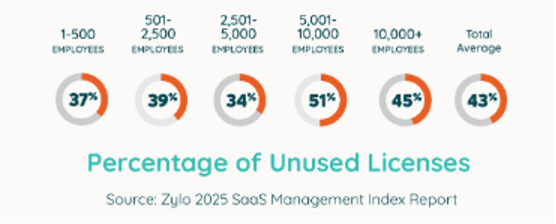
Many organisations continue to suffer from tool overload with collaboration platforms and analytics tools layered into daily workflows. Recent research shows that roughly 43% of paid software licenses go unused, particularly among large organisations.
The Percentage of Wasted Software Licenses Among Companies
DEX platforms risk becoming shelfware when they aren’t properly aligned with existing systems or when organisational leaders don’t clearly understand their value.
Without nimble digital employee experience management (built on feedback from end users), adoption stalls and the overall experience never improves.
2. Escaping reactive IT culture
Many IT teams are still stuck in last-resort mode and respond to issues after productivity has already been hit. Response times grow as issues build, creating chaotic productivity bottlenecks.
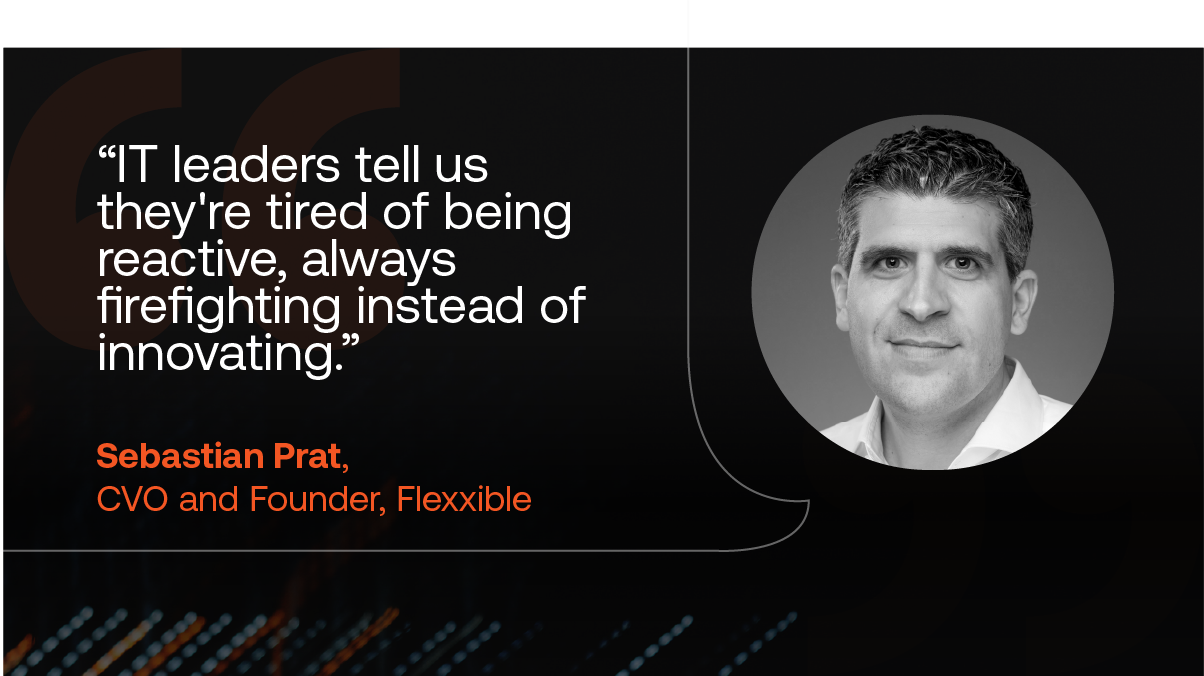
“IT leaders tell us they're tired of being reactive, always firefighting instead of innovating,” Sebastian Prat points out.
The shift happens when IT gains real visibility into how work actually unfolds for employees, not just system status. “DEX platforms change that equation by giving you visibility into the actual employee experience across your entire digital workspace – not just whether systems are up, but whether people can actually work effectively,” continues Sebastian.
3. Building a strategy that matches the employee lifecycle
DEX now spans onboarding, professional development, daily performance, and long-term retention. Without a clear strategy tied to real business outcomes, investments remain disconnected and hard to justify.
4. Making the digital workplace actually usable
When tools don’t reflect how employees work in reality, frustration grows, and problem-solving slows. This is a symptom of poor digital workplace management and leads directly to disengagement.
These challenges are exactly why CIOs now need a digital employee experience strategy that scales — one built for automation, visibility, and continuous improvement.
How to build a DEX strategy that scales with Flexxible
A scalable DEX strategy in 2026 demands more than visibility alone. It requires unified control and automation that actually reduces IT strain. This is exactly where FlexxClient, Flexxible’s flagship platform, delivers its edge.
At the core of FlexxClient is an architecture designed for scale, security, and real-time performance across the entire digital workplace. CIOs and IT leaders gain a whole new point of view, including:
- Single-pane-of-glass visibility across all endpoints, so that CIOs get a true picture of an employee’s digital experience.
- Real-time performance monitoring paired with automated fixes, so common issues are resolved before tickets are raised.
- Native CrowdStrike integration for premium endpoint protection, bringing security and DEX into one environment.
- Enterprise scale proven across 600,000+ managed endpoints in complex, distributed organisations.
- 18+ years of hands-on endpoint management experience, built for hybrid and global operations.
- Maximum security and compliance certifications, supporting full device lifecycle governance.
- Industry recognition from Gartner, including placement in the Magic Quadrants for DEX and DaaS.
This combination allows IT teams to move out of constant reactive mode and into predictive operations. Instead of chasing tickets, they get a clear window into how employees actually experience their digital workspace — and the ability to act instantly when performance dips.
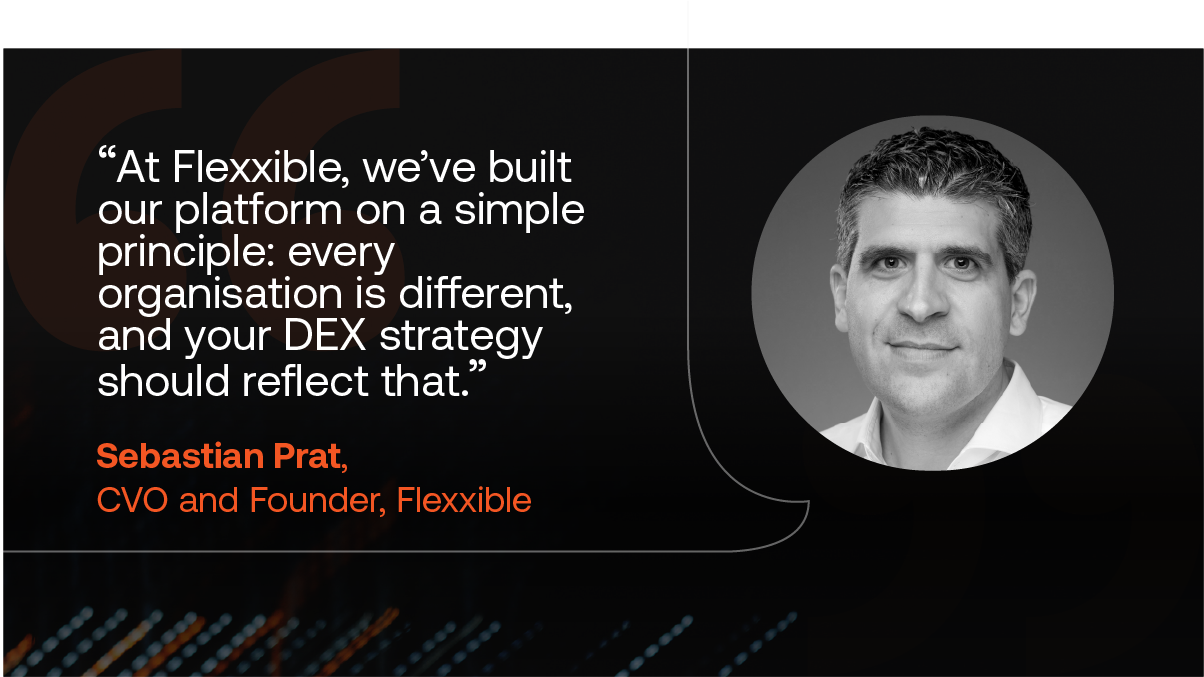
“At Flexxible, we’ve built our platform on a simple principle: every organisation is different, and your DEX strategy should reflect that, “ says Sebastian Prat. “It’s not about implementing someone else’s playbook – it’s about understanding what matters most to your employees and your business, then having the tools to continuously improve it.”
For CIOs managing distributed teams at scale, FlexxClient turns digital employee experience from a reporting layer into a living system of observability, automation, and security — purpose-built for long-term growth in the long term.
For organisations ready to scale with confidence, trust Flexxible to deliver enterprise-grade digital employee experience management for 2026 and beyond.
Find out how FlexxClient will transform your workforce’s output in 2026.
Book a demo today to find out more.

